Preservation of Indigenous Culture
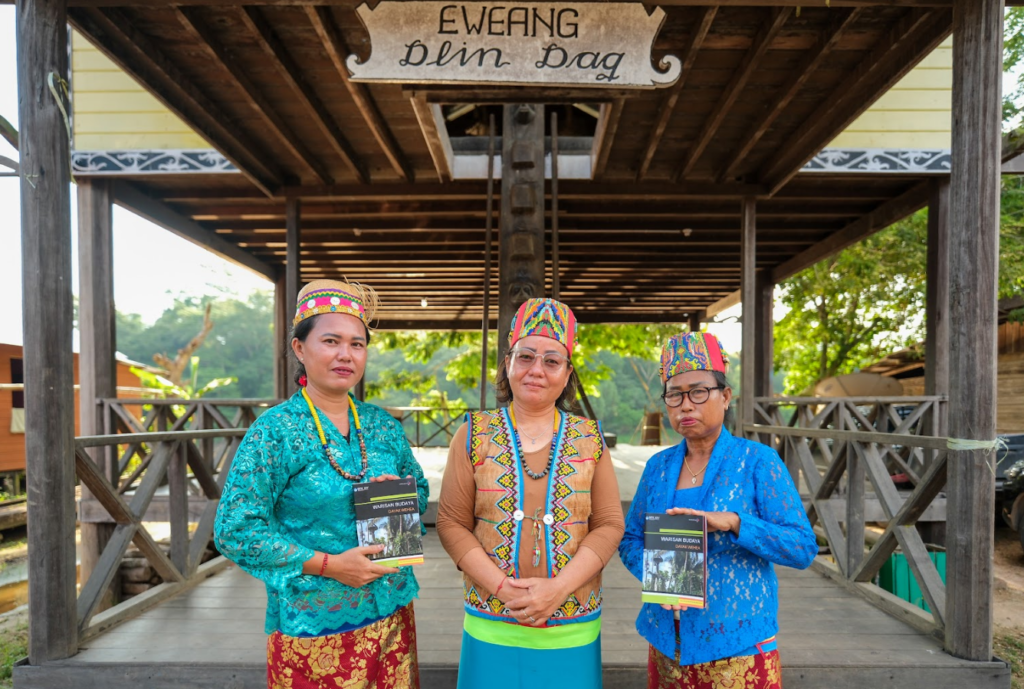
DSNG respects the rights of indigenous peoples and local communities in accordance with its NDPE Policy and monitors conservation areas to protect ecosystems. As a member of the RSPO, its No Deforestation commitment is implemented in accordance with the 2018 RSPO Principles and Criteria. DSNG also partners with local communities through empowerment programs, the implementation of the Free, Prior, and Informed Consent (FPIC) principle, and the preservation of cultural sites around its operational areas.
DSNG implements an integrated program to preserve the cultural heritage of the Dayak indigenous people through the Indigenous Peoples Development Program (IPDP), Culture Heritage Program, Livelihood Restoration Program (LRP), and Social Impact Assessment (SIA). This program aims to maintain the sustainability of cultural values while strengthening the economic independence of the community, especially women’s groups and indigenous communities around the operational area. Cultural preservation is carried out through mentoring women’s groups and Dayak Kayan traditional artists in Miau Baru Village. Through mentoring in the creation of the typical Dayak Kayan Batik Umaq Lekan in Miau Baru Village, 16 Dayak Kayan women received skills improvement, Intellectual Property Rights (IPR) protection, and opportunities for cultural heritage-based economic development. The development of the Lekan Maran Dance Art also involved six local dancers as an effort to maintain the sustainability of traditional Dayak Kayan performing arts. This activity is a form of implementation of IFC Performance Standard (PS) 7 on Indigenous Peoples. This program not only maintains cultural identity but also creates economic value based on local wisdom.
Through the Culture Heritage Program under IFC PS 8, DSNG organized exhibitions showcasing Dayak Wehea and Dayak Kayan heritage in Nehas Liah Bing and Miau Baru, engaging women’s groups and local MSMEs to expand cultural product promotion and support sustainable livelihoods. Economic empowerment is further strengthened through the LRP by supporting sugar plum and pineapple farmers, local food processing, and culinary training for MSMEs. These efforts diversify non-palm income sources and increase long-term earnings. All initiatives are guided by Social Impact Assessment (SIA) aligned with IFC PS 1, based on public consultations in six villages, ensuring social impact management and reinforcing relationships with indigenous communities.
These and many more initiatives are described in our Sustainability Reports.
Link: https://dsn.co.id/esg/sustainability-report/