When Preparedness Becomes a Shared Responsibility: Strengthening Collaboration to Prevent Forest and Land Fires in West Kalimantan
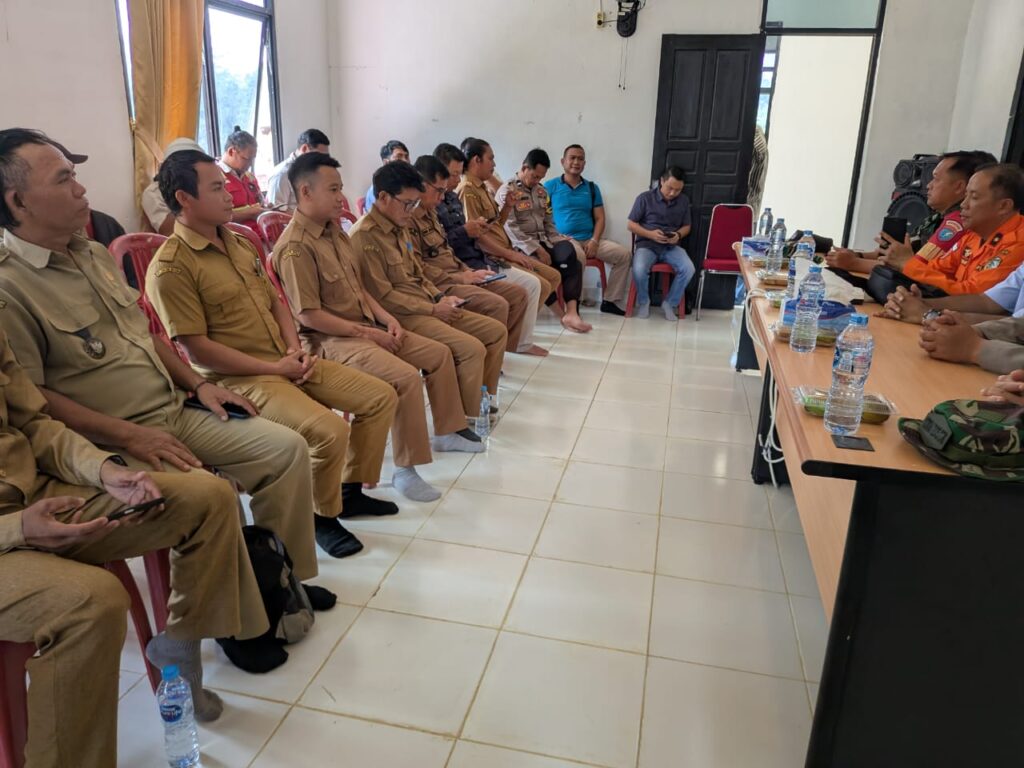
Amid the dry season, vigilance against forest and land fires has become an essential part of efforts to protect the environment and safeguard local communities. In Sintang and Sekadau Regencies, this responsibility does not rest with any single party. Government authorities, security forces, village administrations, communities, and businesses all play a role in ensuring that preparedness is built well before the first signs of fire appear.
For communities living around the company’s operational areas, preparedness means more than simply being ready to respond when a fire breaks out. It is about building awareness, strengthening coordination, and ensuring that communities have the knowledge and resources needed to prevent fires and respond quickly to potential incidents.
Forest and land fire prevention is also incorporated into the Company’s strategic work plans, which are developed and reviewed periodically. In implementing these plans, the Company takes into account local community activities and traditions, including the cultivation and harvesting of upland rice, the celebration of gawai, as well as land clearing and management practices.
Understanding these local patterns provides an important foundation for developing effective fire prevention and preparedness measures, while also strengthening coordination and communication between the Company, communities, and other relevant stakeholders.
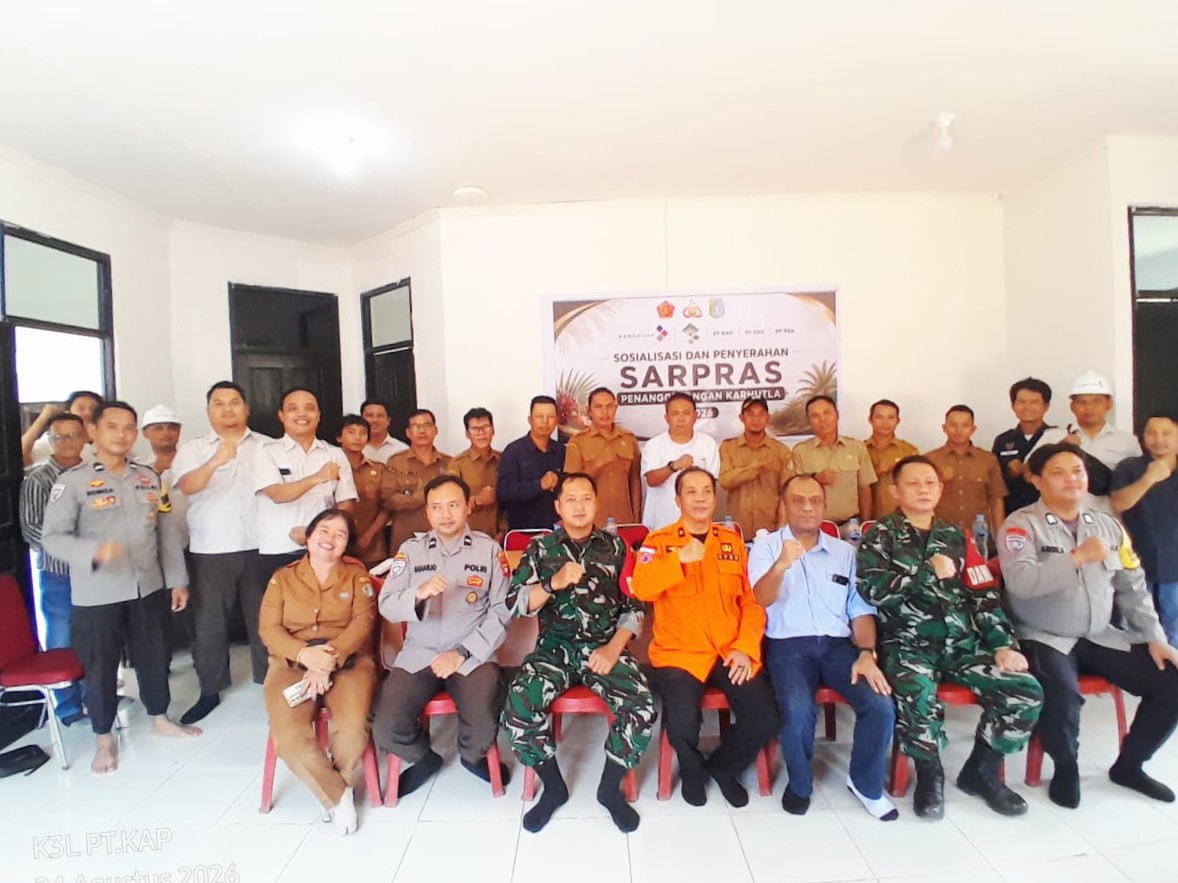
This approach is put into practice through stronger coordination and communication on the ground. One example was a series of forest and land fire prevention awareness activities held throughout August 2026.
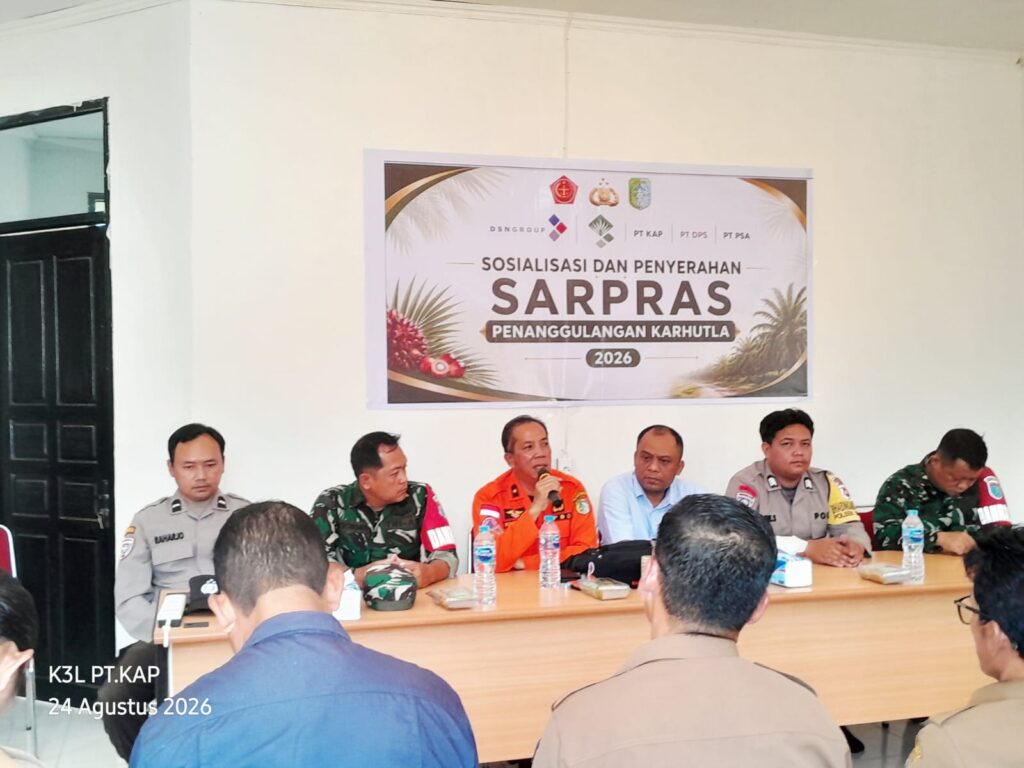
Several companies, including PT Agro Andalan (AAN), PT Mitra Nusa Sarana (MNS), PT Kencana Alam Permai (KAP), PT Dharma Persada Sejahtera (DPS), and PT Prima Sawit Andalan (PSA), worked alongside the Regional Disaster Management Agency (BPBD) of Sintang and Sekadau, the Plantation and Animal Husbandry Agency, Manggala Agni, members of the Indonesian National Armed Forces and National Police, village governments, and local communities to strengthen preparedness in response to the heightened risk of fires during the dry season.
From Awareness to Real Preparedness
Awareness campaigns are an important first step in strengthening community vigilance. Messages discouraging land burning were delivered collectively, reinforcing the understanding that preventing forest and land fires requires the active involvement and concern of every element of society.
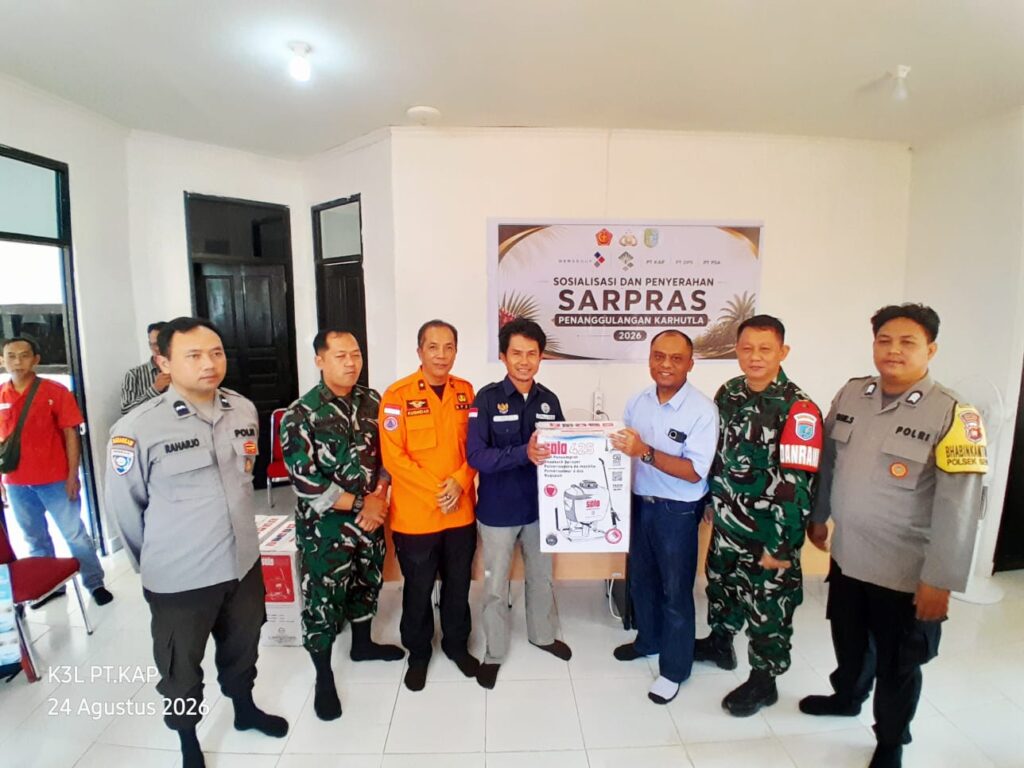
But preparedness cannot stop at reminders and appeals. Support for villages must also take the form of practical resources that can help communities prevent fires and respond during the early stages of an incident.
PT MNS provided support to 10 assisted villages around its operational area, with each village receiving five knapsack sprayers and 100 masks. Meanwhile, PT Kencana Alam Permai, PT Dharma Persada Sejahtera, and PT Prima Sawit Andalan jointly provided similar support to 15 villages surrounding their operational areas. PT AAN also contributed by providing support to seven villages around its operations.
For the villages, these items are more than simply material assistance. They form part of the community’s preparedness, enabling residents to respond more quickly when faced with the potential threat of fire.
At the same time, companies continue to strengthen their own internal preparedness by ensuring that trained personnel and firefighting equipment are ready to be deployed in support of initial response efforts should a fire occur around their operational areas.
Ultimately, forest and land fire prevention depends heavily on what happens at the local level. That is why strengthening village capacity is an inseparable part of the collective effort. Village governments hold a strategic position because they interact directly with local communities. They can deliver prevention messages, build public awareness, and mobilize residents when necessary.
This underscores an important reality: preventing forest and land fires requires a coordinated and consistent response, particularly when weather conditions increase the risk of fire.
Because Fire Knows No Boundaries
Fire does not recognize administrative borders or the boundaries of company operational areas. Therefore, preventing it requires the same mindset: going beyond those boundaries.
Local governments need the support of companies and communities. Companies need coordination with government authorities and security forces. Village governments need the involvement of their communities. And communities need knowledge, resources, and support to prevent fires effectively.
This is where collaboration finds its true meaning. The fire prevention efforts in Sintang and Sekadau demonstrate that preparedness is not something built after a fire has already started. It is built long beforehand, through communication, awareness campaigns, training, access to equipment, cross-sector coordination, and a shared commitment to protecting the environment.
Looking ahead, continued synergy among local governments, security forces, village administrations, communities, and businesses will remain essential. The stronger the preparedness built together, the greater the opportunity to prevent a small fire from developing into a disaster.
Protecting our forests and land is not the responsibility of one party. It is a shared responsibility—one that begins with a small act of vigilance in every village and grows stronger through collaboration that never stops burning.