Collaborating to Prevent Forest & Land Fire Before It Starts in Muara Wahau and Kongbeng
The dry season always brings its own set of challenges to areas with extensive land cover and active communities. As rainfall becomes less frequent and the land grows drier, the risk of forest and land fires increases. Under these conditions, preparedness becomes essential, not only to respond when fires occur, but also to prevent them from starting in the first place.
In Muara Wahau and Kongbeng, preparedness is built through collaboration. Sub-district authorities, the Indonesian National Armed Forces and National Police, the Regional Disaster Management Agency (BPBD), Fire-Aware Communities (Masyarakat Peduli Api/MPA), village governments, local communities, and businesses each contribute according to their respective capacities to strengthen monitoring, prevention, and early response to potential forest and land fires.
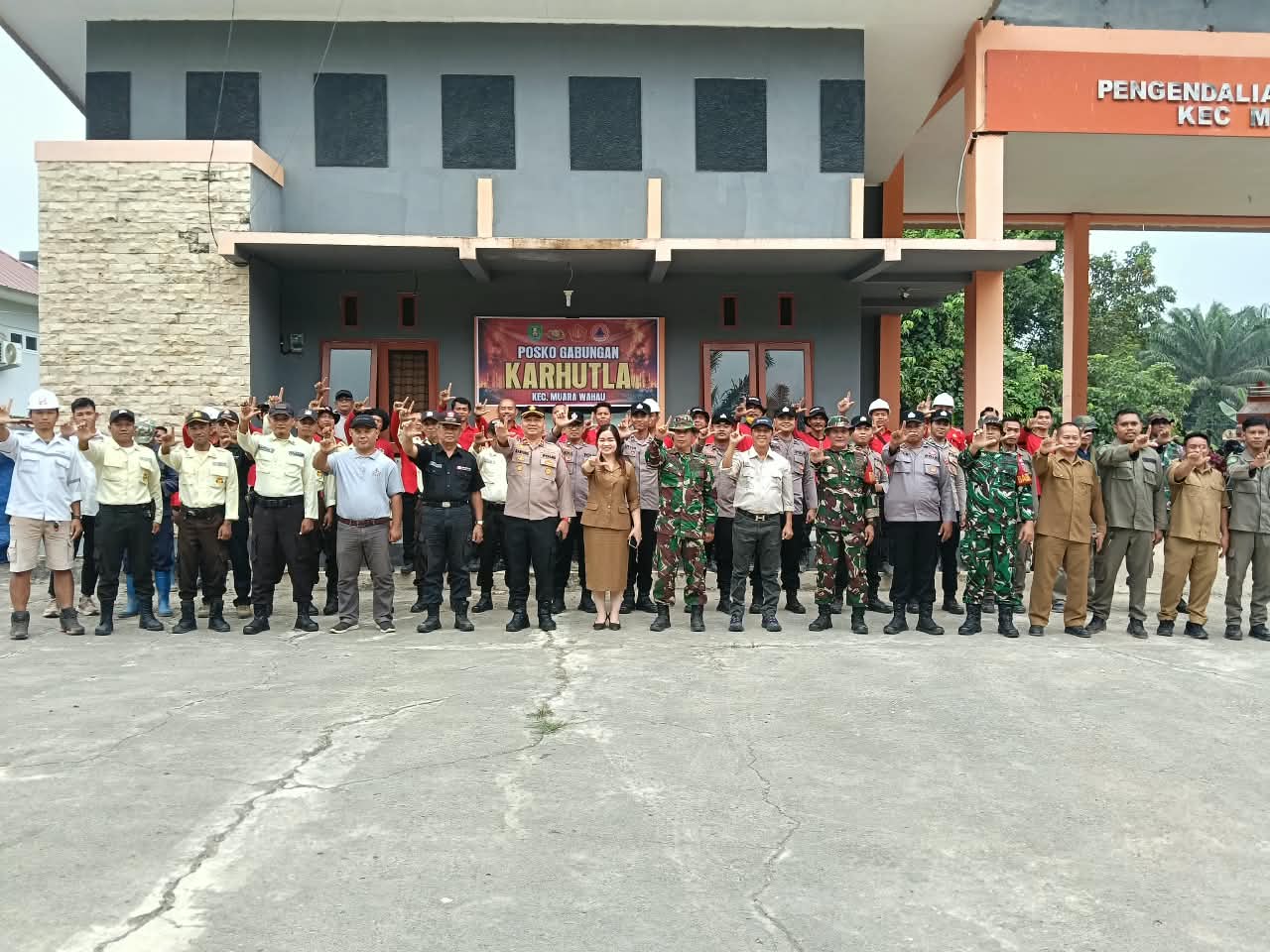
The two areas demonstrate complementary approaches. In Muara Wahau, preparedness is strengthened through a Readiness Ceremony and the establishment of a Forest and Land Fire Command Post. In Kongbeng, prevention efforts are carried out through integrated patrols targeting high-risk areas, including community-owned land outside concession areas.
Building Preparedness from the Command Post
In Muara Wahau, the Readiness Ceremony served as an opportunity to strengthen coordination among stakeholders while officially inaugurating the Forest and Land Fire Command Post at the Muara Wahau Sub-district BPBD Office.
The command post provides an important foundation for prevention efforts. It serves as a coordination point for monitoring hotspots, conducting integrated patrols, responding to fires during their early stages, and delivering awareness and education to local communities.
PT Swakarsa Sinarsentosa (SWA) also contributed by supporting the command post’s operations through the deployment of personnel and operational vehicles. This support strengthens monitoring and patrol capacity while ensuring additional resources are available should an early response to a fire be required.
Ultimately, the command post is more than simply a physical location. It serves as a meeting point for different resources and authorities, where information is gathered, field conditions are monitored, and initial responses can be coordinated quickly.
In the context of forest and land fires, speed can be a critical factor. A fire detected and addressed at an early stage has a much greater chance of being contained before it spreads.
Patrolling to Manage Risk
If the command post serves as the center of coordination, patrols are the eyes moving across the field.
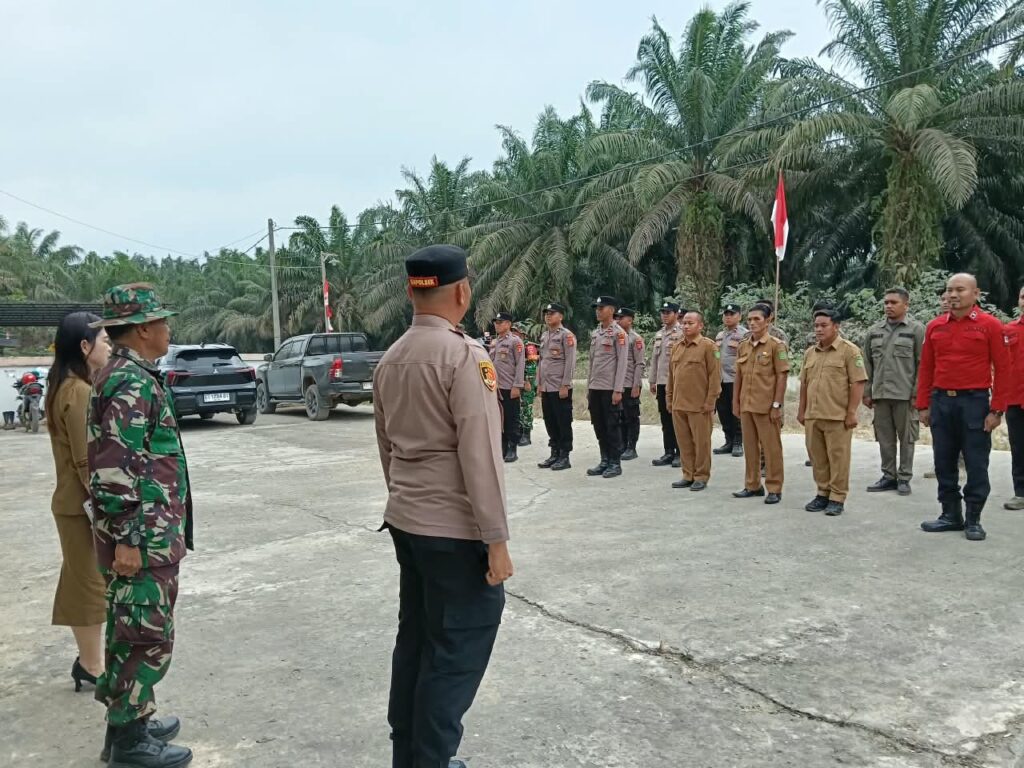
In Kongbeng Sub-district, approximately 20 personnel from the Sub-district Leadership Coordination Forum (Forkopimcam), the Indonesian National Armed Forces, National Police, village governments, Fire-Aware Communities (MPA), and PT Karya Prima Agro Sejahtera (KPAS) conducted integrated patrols to monitor several high-risk areas.
The patrols were not limited to areas surrounding company concessions. They also covered community-owned land outside concession areas. This approach demonstrates that forest and land fire prevention cannot be confined by administrative or operational boundaries. The risk of fire can emerge anywhere, making comprehensive monitoring essential.
Patrols also provide an opportunity for direct engagement with local communities. In addition to monitoring field conditions, the teams reminded residents not to clear land through burning and encouraged them to immediately report any signs of fire.
This is where patrols serve a purpose beyond simply observing the condition of the land. They become a tool for early detection while also reinforcing public awareness that communities themselves play an important role in preventing forest and land fires.
When Prevention Also Means Protecting Health
Forest and land fires do not only pose risks to the environment. When fires occur and produce smoke, their effects can be felt directly by communities, particularly those who spend significant time outdoors.
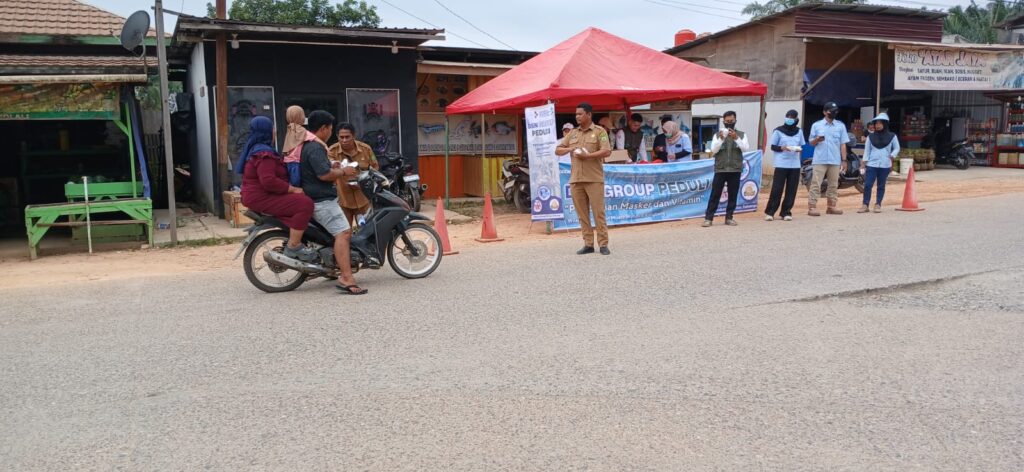
For this reason, preparedness for forest and land fires must also consider public health. In Muara Wahau and Kongbeng, PT SWA and PT KPAS each supported the distribution of 1,000 packages containing masks and vitamins to communities around their respective operational areas.
The support formed part of an effort to help communities maintain their well-being and protect their respiratory health, particularly during the dry season and when air quality needs closer attention.
The distribution of masks and vitamins may appear simple. Yet when communities must continue their daily activities amid hot weather or less favorable air quality, such support serves as a reminder that preparedness has a much broader dimension.
Communities were also encouraged to wear masks when carrying out activities outdoors, maintain adequate water intake, and pay particular attention to vulnerable groups such as children and older adults when air quality deteriorates.
One Goal, Many Roles
The efforts in Muara Wahau and Kongbeng demonstrate that there is no single approach to addressing forest and land fires.
Some stakeholders are responsible for monitoring. Others organize patrols. Some provide personnel and vehicles. Others focus on community education. There are also those who ensure that communities receive the support they need to protect their health.
Each role complements the others. Government authorities and security forces play important roles in coordination and response. Fire-Aware Communities (MPA) are an important part of preparedness at the community level. Village governments serve as a direct link to residents, while businesses contribute resources, personnel, operational vehicles, and other forms of support.
When all these roles work together under a common coordination framework, preparedness is no longer the responsibility of a single institution. It becomes a shared system.
Preventing Fire Before It Becomes a Disaster
Ultimately, the success of forest and land fire prevention is not always visible in the form of major events. Sometimes, success comes in much simpler forms: a fire is detected early, a piece of land remains unburned, a community member reports a potential hotspot, a patrol identifies a developing risk, or a small fire is brought under control before it grows.
That is why building preparedness means developing a habit of staying vigilant. An active command post, regular patrols, ready personnel, available equipment, informed communities, and continuous communication among stakeholders all form links in a chain of prevention that must never be broken. Muara Wahau and Kongbeng show that facing the dry season cannot simply mean waiting for an emergency to arrive. Preparedness must be built before the emergency comes. Because when it comes to forest and land fires, a fire can start in a matter of minutes, but preparedness must be built long before that.