Amid the Threat of Forest and Land Fires, Medical Teams Remain on Alert to Keep Everyone Healthy
That day, several patients came to the Pratama Clinic complaining of coughing and shortness of breath. From children to adults, they arrived with similar symptoms: throat discomfort, persistent coughing, and breathing that felt heavier than usual. As a doctor, I began to notice an unusual pattern. Respiratory complaints were becoming increasingly common amid the threat of smoke from forest and land fires. Cases of acute respiratory infections (ARI) were beginning to rise, making them one of our primary concerns as a medical team.
For us, smoke is not simply about stuffy air or irritated eyes. Prolonged exposure to smoke can have more serious health consequences, particularly for the respiratory and cardiovascular systems. Therefore, when the threat of forest and land fire smoke emerges, we do not want to simply wait for patients to arrive at the clinic after they have already fallen ill. We believe prevention is always better when it starts early.
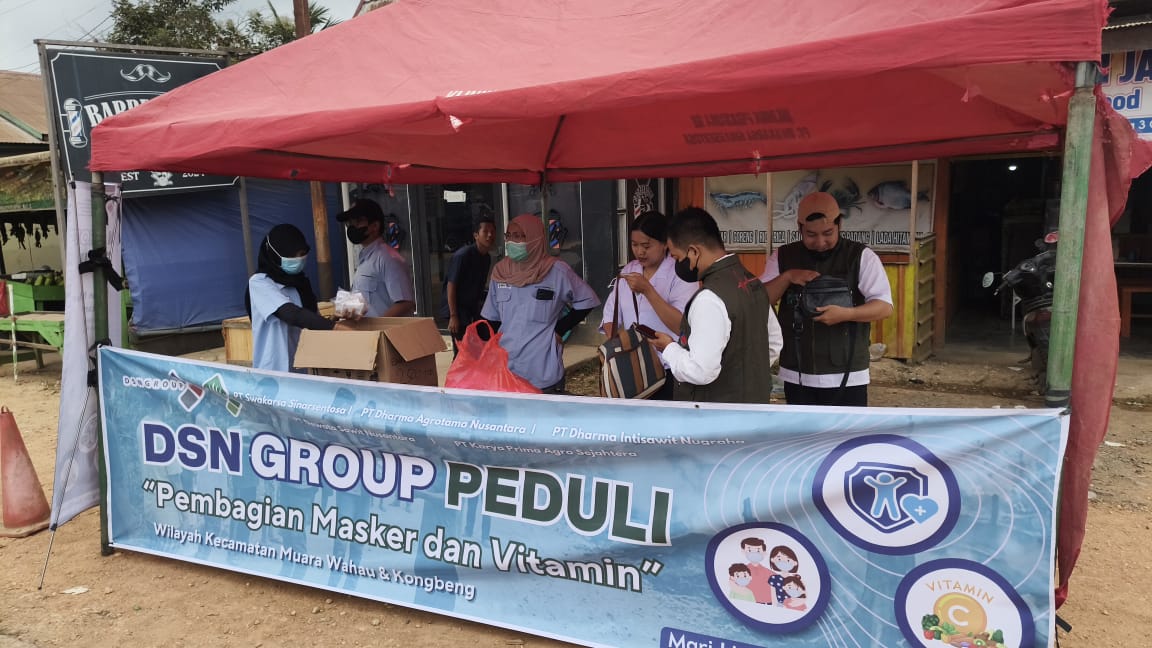
We began distributing masks and vitamins on a regular basis. These efforts have received full support from the management of PT Dharma Satya Nusantara Tbk (DSNG). We have also established health posts at locations requiring additional support, including tents equipped to facilitate medical services and health checks for personnel involved in forest and land fire response efforts.
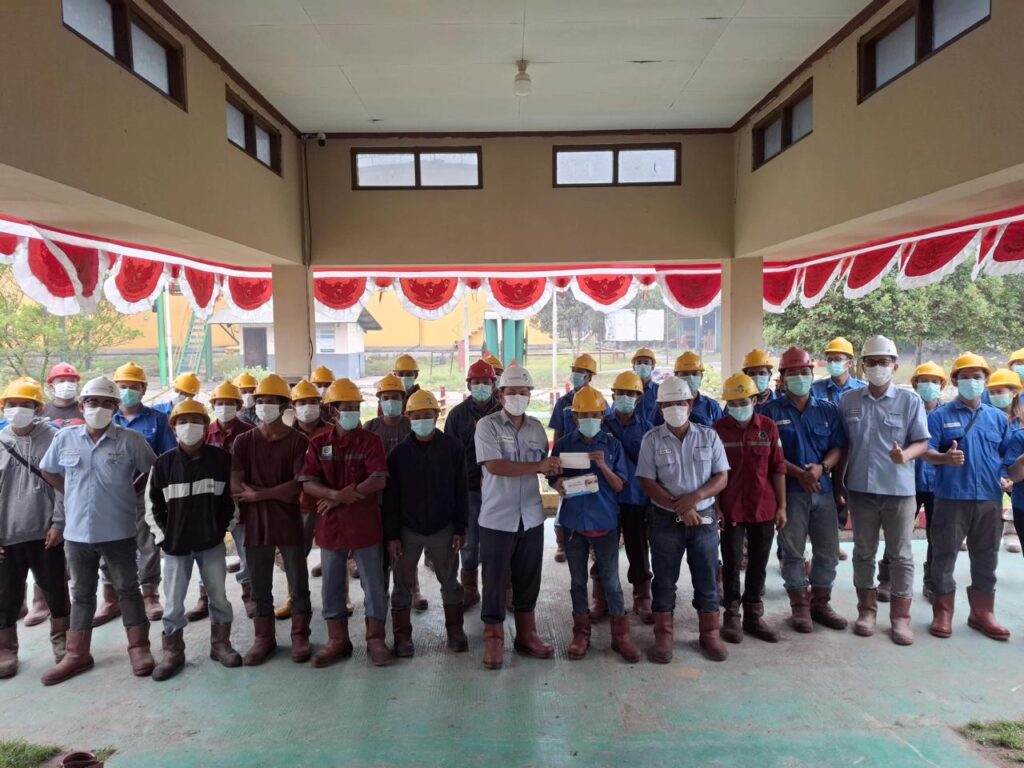
The challenge is not limited to East Kalimantan. In West Kalimantan, forest and land fires outside the Company’s operational areas have been even more severe, with a higher number of fire hotspots. Our medical teams have therefore been deployed to firefighting locations to ensure that the health conditions of personnel working in the field remain closely monitored.
Before deployment, the medical team’s health condition is checked first. The same examination is conducted again after they return from the field. Vitamins and masks are distributed regularly as part of our personal protection measures. We also coordinate daily through WhatsApp to monitor developments in the field and identify any health-related needs that require immediate attention.
At present, our medical team is supported by 68 nurses, 11 midwives, and five doctors, and we continue to ensure that healthcare services remain available. The process begins with support from the CSR team, which is then followed up by the medical team to ensure that health needs in the field are properly addressed.
Protecting Vulnerable Groups from the Health Risks of Forest and Land Fire Smoke
We continue to conduct health checks for pregnant women, as well as monitor mothers and newborns following delivery through postnatal and infant visits. Even before the forest and land fires occurred, we had already placed particular attention on these groups because mothers and babies require more intensive health monitoring.Children are also among our priorities. When air quality deteriorates, outdoor activities at TPA are reduced. We also work closely with the Company’s operational team to ensure proper indoor air circulation while providing masks for the children.
Supplementary food provision (PMT) also continues as part of our efforts to support their health, nutrition, and development.Under certain conditions, we also conduct door-to-door visits. This allows us to see firsthand the conditions of children and families who may not come to the clinic. If smoke exposure becomes more severe, we advise them to move to areas with better air quality and to use air conditioning or an air purifier if available.
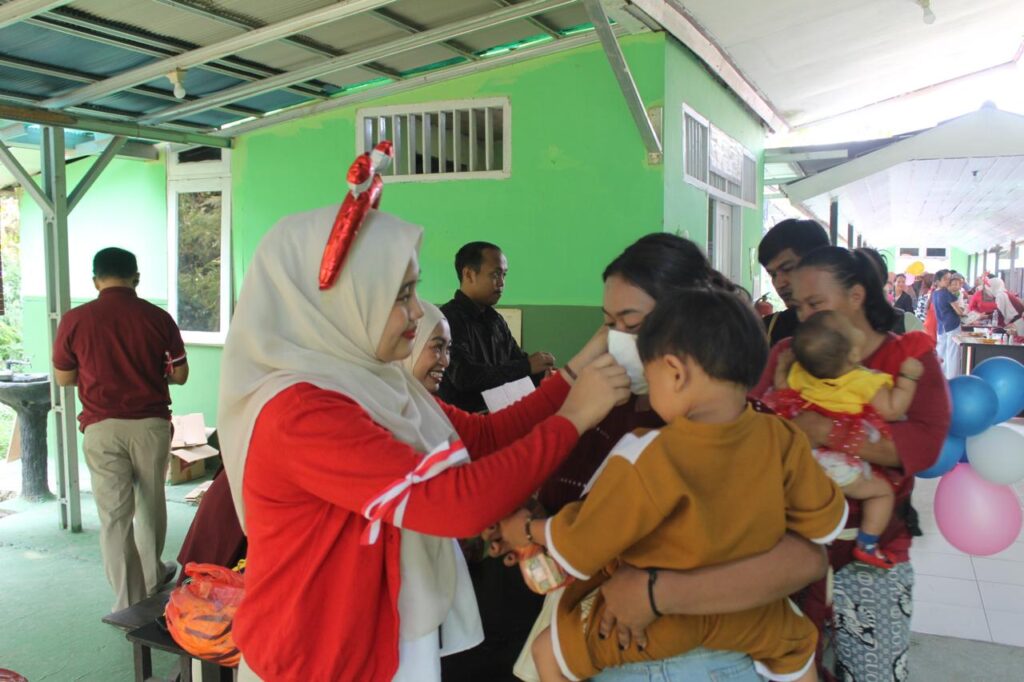
As long as the threat of forest and land fire smoke persists, we strongly encourage people to reduce outdoor activities. Most importantly, children must remain protected while still being given opportunities to learn and carry out their daily activities.
Continuous Health Education
In addition to protecting mothers and children, the health of our employees is also a priority for us as a medical team. We provide health education through regular Health Talks held during employees’ morning briefings at each afdeling every month, with a particular focus on clean and healthy living practices (PHBS) and acute respiratory infections (ARI).
In my view, education is an essential part of prevention because people need to understand what they can do to protect their health before symptoms even appear.
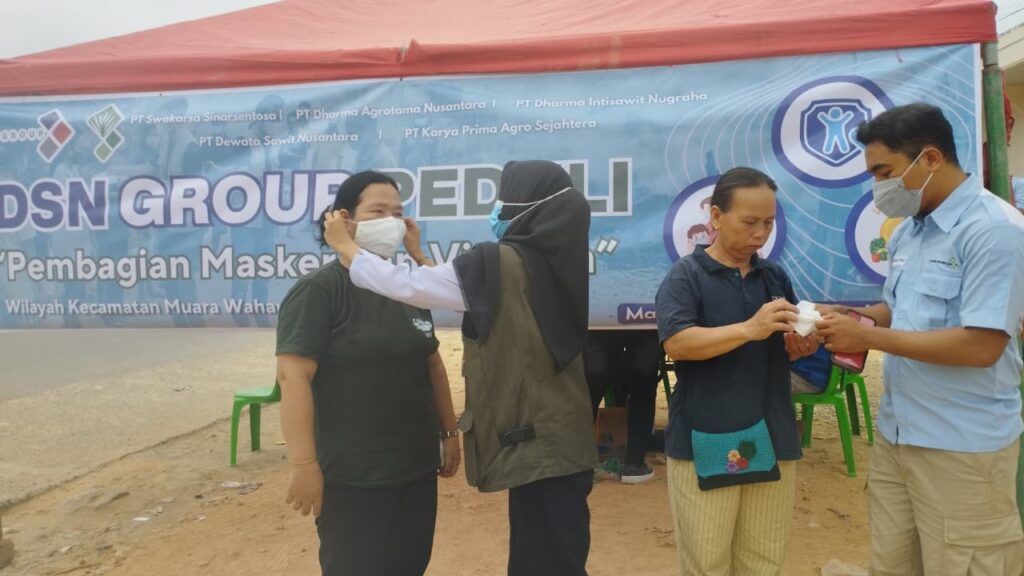
Forest and land fires certainly create challenging circumstances. But whether we are working in the clinic, at firefighting locations, or at the workplace, our responsibility as a medical team remains the same: to protect the health and well-being of everyone, young and old.
When forest and land fire smoke arrives, protect yourself by reducing outdoor activities, wearing an appropriate mask, maintaining good indoor air quality, and following the applicable health protocols.